What are generic drugs and are they safe?
TBIJ has uncovered bad cancer drugs used around the world. All are so-called generics – but what does this mean?
A major new investigation by the Bureau of Investigative Journalism has revealed that cancer drugs shipped to more than 100 countries have failed quality tests. All the medicines in question were so-called generic drugs. But what is a generic drug – and who are they given to?
What are generic drugs?
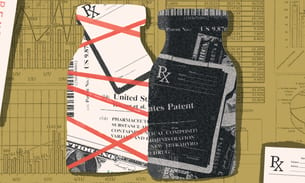
When a new drug enters the market, the manufacturer usually gets the exclusive right to sell it under a brand name of their choice. However, once the rights – the patent – on the drug expires, other companies are allowed to manufacture and sell the same drug using a generic name. The generic name is simply the name of the molecule, the chemical that makes up the drug.
Paracetamol is an example of medicine no longer under patent. It is sold (at a much cheaper price) simply as “paracetamol”. This is a “generic” and has exactly the same active ingredients as both the original product and what are known as branded generics.
What are branded generics?
These are generic medicines sold under a particular brand name. In the case of paracetamol, this means brands like Panadol, Tylenol and Calpol. Branded generics are much more expensive than generics.
Why are generic drugs cheaper?
Since generic medicines are essentially copies of branded drugs, they do not have to repeat the rigorous steps that the original drugs had to go through before getting approval. This means that they are much less expensive to produce overall, and so more affordable and widely used.
Once a patent for a drug expires, more manufacturers may enter the market to make it, and this competition generally leads to lower prices. Generics can cost up to 95% less than the original drugs. Branded generics, on the other hand, are generally more expensive since companies spend money on marketing the product.

Who uses generics?
Due to their affordability, generic drugs are used more often than branded generics by healthcare systems around the world. In the US, generics make up about 90% of all prescriptions and in England, over 80% of all drugs in primary care are generics.
However, in low- and lower-middle-income countries, generic drugs make up only 5% of the drugs on the market. Branded generics, which are more expensive, make up around 65%.
Why are they used less in low-income countries?
In poorer countries, weak regulations and corruption can allow cheaper, low-quality or fake drugs to enter the market. This forces consumers to rely on more expensive branded generics or the off-patent original brands, according to a report by the Center for Global Development. The result is a situation where suppliers of high-quality generic drugs find it difficult to enter the market because branded generic drugs dominate – and a lack of competition leads to higher prices.
Are generics as safe as branded medicines?
Manufacturing medicines is a time-consuming process. Before any drug is introduced onto the market, it is researched in the lab and tested in clinical trials. If it passes all the tests, a manufacturer gets a licence to make and sell the drug exclusively, under patent.
Similarly, once a patent has expired, regulatory authorities review evidence to ensure that generic drugs are able to meet the strict safety and quality standards needed to substitute the branded drug. The US Food and Drug Administration, for instance, checks that the generic drug is “pharmaceutically equivalent” to the brand, and also reviews whether the manufacturer is capable of making the drug correctly and consistently.
Generics are identical to the original branded product, and are generally known to be as safe and effective when all these measures are carried out properly.
Where do most generics come from?
India is the largest supplier of generic medicines, providing for 20% of the global market. China is also a major player. In 2019, Indian and Chinese manufacturers together accounted for over half of all new drug applications. India in particular plays a significant role in providing generics to developed countries like the US and the UK.
Reporter: Somesh Jha
Global Health editor: Fiona Walker
Deputy editor: Chrissie Giles
Editor: Franz Wild
Production editor: Josephine Lethbridge
Fact checker: Alex Hess
Illustrator: Anuj Shrestha
TBIJ has a number of funders, a full list of which can be found here. None of our funders have any influence over editorial decisions or output.
-
Subject:
-
Area: