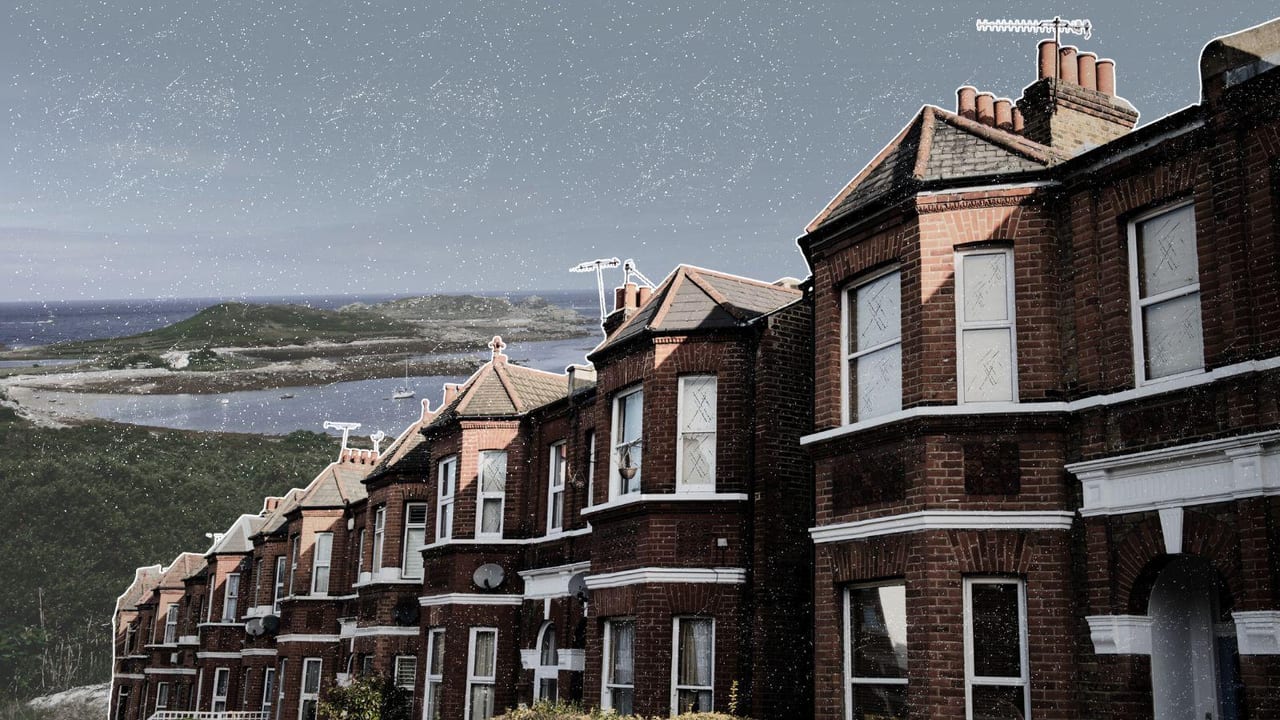
Cornwall council offered suppliers £6m to staff illegal children’s homes
Regulators intervene after UK local authority accused of normalising illegal placements
A UK council has been forced to withdraw a multimillion-pound recruitment drive to staff illegal children’s homes.
Cornwall advertised the £6m contract, the first of its kind published on a government website, to provide “staffing for unregistered places” across the county, including on the Isles of Scilly.
The problem? Operating this type of children’s home – one not registered with Ofsted – is a criminal offence.
The council withdrew the advertisement after government officials and Ofsted intervened.
“It is shocking that some of our most vulnerable children are living in places where government has no oversight of whether they are safe, getting the care they need, and that they have the appropriate and trained staff around them,” a spokesperson for the Department for Education told TBIJ.



The unusual intervention was sparked by a complaint from the Children's Homes Association (CHA), which represents providers of registered children’s homes. “ It is both disappointing and shocking that a local authority would seek to normalise illegal placements for children,” said Mark Kerr, CHA chief executive. “I’ve not seen anything like this before.”
He added that illegal homes are more dangerous than regulated homes. “The kids with the highest need and often highest risk profile are being placed with providers that have the lowest level of scrutiny,” he said.
When approached by TBIJ, Cornwall council described the advert for a £6m contract as a “questionnaire”.
A spokesperson said the council had undertaken a “soft market test” to seek feedback from providers regarding agency staffing solutions for children with complex needs.
“The purpose of the questionnaire was to explore opportunities for financial efficiencies while maintaining high-quality care and support, particularly in rare situations where a registered children’s home placement cannot be secured,” they said.
A national crisis
A chronic shortage of secure and therapeutic children’s home beds for some of the most traumatised children in the country has led to a huge expansion in illegal homes. Last year, Ofsted identified almost 1,000 young people in England who were housed in illegal homes – and the regulator believes true figure is even higher.
“The kids with the highest need and often highest risk profile are being placed with providers that have the lowest level of scrutiny.”
Registered homes are checked yearly by Ofsted inspectors and visited monthly by trained volunteers to make sure children are safe, whereas unregistered homes have no independent oversight. They typically provide poor quality care, according to the regulator.
Although running an illegal children’s home is a crime, the vast majority of English local authorities are placing children in them. Ofsted found 982 children in illegal settings in 2024 – nearly seven times the number it identified four years ago. Most of the children live alone with carers, who have not been checked by Ofsted.
The underlying causes are varied, but councils have seen a rising number of traumatised teenagers being taken into care, many of whom are hard to place in typical children’s homes due to aggressive or risky behaviour, such as self-harming. More than a quarter of looked-after children in England are now 16 or older, and the number in this age group in care has risen 63% since 2011.
This trend has been linked to a range of factors including austerity-era cuts to support services, and increased awareness of criminal and sexual exploitation. The number of children sent to prison or hospitalised with mental health problems has also reduced significantly over the past decade, but diverting teenagers out of institutions has put additional pressure on the care sector.
Meanwhile, there are too few homes capable of accommodating these children. The number of council-run secure homes – which are equipped to house children who pose a risk to themselves or others – has been declining for decades. There are now just 13 registered secure homes in England, with 16 sites having shut between 2002-2022.
Cornwall’s aborted consultation lays bare this growing crisis. The tender, which was cancelled after a fortnight but can still be viewed online, reads: “Unregistered placements for children typically arise due to a shortage of suitable, regulated care options for vulnerable children, especially those with complex needs.”
The document adds that currently the council makes “spot placements” in unregistered homes, which are often expensive last-minute bookings with unvetted providers. It says the council wanted to “formally tender [the] opportunity” to avoid these types of emergency placements.
The South West has the fewest legal children’s home spaces of any region. It has also seen by far the most rapid increase in the use of illegal homes; Ofsted identified 103 unregistered homes there in 2024 – compared to only 5 in 2021. At the same time, Cornwall, where one in five children live in poverty has seen a 30% increase in the number of children requiring care placements in the last four years.
Yvette Stanley, Ofsted’s director of social care, said: “We know that local authorities continue to face significant challenges in finding regulated placements to meet children’s needs, but too many children – usually those with the most complex needs – are being placed out of sight in illegal settings where they’re at risk of harm.”
No end in sight
Ofsted has demanded more resources and powers to fine providers who refuse to register with the regulator to quell the rise of unregulated placements. Though running an unregistered children’s home is illegal, no one has yet been convicted for it.
Stanley said: “The test for prosecution is high, and gathering enough evidence to ensure a conviction can be a lengthy and expensive process.”
The government is in the process of legislating to give Ofsted the powers it requested. Ministers have also pledged to increase legal children’s home provision to tackle the use of illegal homes. However, the planned children’s homes will take years to build, and will ultimately accommodate just a third of the children Ofsted found in illegal homes last year.
Authorities agree vulnerable children should not be placed in illegal homes, but with nowhere else to put them, councils will likely turn to unregulated providers for years to come.
Reporter: Tom Wall
Bureau Local editor: Gareth Davies
Deputy editor: Katie Mark
Editor: Franz Wild
Production editor: Sasha Baker
Fact checker: Ero Partsakoulaki
TBIJ has a number of funders, a full list of which can be found here. None of our funders have any influence over editorial decisions or output.
-
Subject:
-
Area: