
A-list libel lawyers cast clients as underdogs in bid to halt anti-SLAPP law
London lawyers used a private government meeting to throw mud at the press and describe their super-rich clients as locked in a ‘David and Goliath’ battle
Feared by journalists and hired by the ultra-rich, London’s libel lawyers used a private meeting with government officials to cast themselves as underdogs in the battle over abusive lawsuits – part of their ongoing lobbying efforts against new laws to protect whistleblowers and reporters.
Documents we have obtained reveal that the Society of Media Lawyers (SML) told officials to pay more attention to wrongdoing by the press, complaining of phone-hacking and “daily intrusion into people’s private lives”.
In a bid to influence plans to tackle so-called SLAPPs – lawsuits that silence those speaking out against wrongdoing with the prospect of expensive litigation – the SML tried to insert itself into the process.
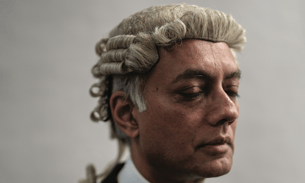
Notes from a February 2024 meeting with the previous Conservative government show the SML, an industry group representing many libel firms, arguing the issue was being exaggerated by the press and that officials “should not act on SLAPPs in haste”. Despite representing some of the richest and most powerful people in the world, they portrayed their clients as outgunned in a “David and Goliath” fight against the press. (Read the full minutes that we obtained here.)


The group was then invited to meet the current Labour government eight months ago, though the discussions from that occasion remain secret. The Ministry of Justice (MoJ) would not give us the details, arguing that “it is important to create a safe space for ministers and policy officials to consider policy development away from criticism”.
Current anti-SLAPP protections are limited to people commenting on matters related to economic crime. Despite various promises to bring about broader legislation, the government failed to include expected laws in yesterday’s King’s speech.
The MoJ told us it is “continuing to engage with stakeholders as we consider further action to clamp down on SLAPPs”.
According to notes, the SML, whose members include lawyers at Carter-Ruck, Brett Wilson and CMS, used the private meeting as an opportunity to lay into the press. It argued that the media had sought to “latch on to [libel] claims by oligarchs” to overstate the scale of the issue. It said there was “press intrusion every single day” and that the media “claim public interest in anything eg anorexia in actress”.
The group cited the phone-hacking scandal as an example of what happens if the press is given “free rein”. (The scandal was revealed in an investigation by the Guardian.)
It also questioned why its members were “being pilloried in parliament” and insisted defamation cases are not typically brought against “individuals” and “charities”. (Index on Censorship said SLAPP suits have been brought against survivors of sexual and gender-based violence, victim advocates, patients of cosmetic surgery, healthcare campaigners and people posting reviews online.)
It is unclear whether the SML’s lobbying efforts had any effect on the decision not to present new legislation this week, although the group told us that its input “may have caused some pause for thought”.
Spurious lawsuits
Sometimes, the aim of a libel claim is not to win in court. Most SLAPPs never even make it to trial because an early legal letter is enough to silence the target. If a case does reach court, the potential legal bill can be in the millions for both parties, meaning that fighting the case is well beyond the means of most defendants.
One such person is Rebecca Matthews, who ran a patient advocacy group, Families Failed by OUH Maternity Services, to raise awareness about maternity failings in Oxfordshire. She told us about the legal threats she received.
“I’m not a journalist and I have no institutional legal department behind me. I’m a harmed patient who co-founded a maternity campaign,” she said.
“Sadly, as a result of my patient safety advocacy, I have experienced legal pressure that in my view was designed not to engage with the substance of what I was raising but to make campaigning too costly to continue. That experience has had a real impact on my mental health, my family life, my finances and my career. And under current law, what I find most sickening, is that I have no protection whatsoever.”
On the issue of further anti-SLAPP legislation, Matthews said: “The 2023 Act was a start but it was written with a very specific picture in mind, the classic perception of SLAPPs as used only by oligarchs and [against] journalists investigating financial crime. Yes, that’s a serious problem but it leaves a gap and, as a patient safety advocate, I am living in that legally-unprotected gap.”


The notes show SML representatives had lobbied to be added to the government’s SLAPPs Taskforce, an idea rebuffed by officials who insisted that the issue be raised with the Law Society, the professional body for solicitors in England and Wales.
However, according to the minutes, SML took a swipe at the Law Society, which the group claimed was “politically influenced” and had “bought into the narrative” of SLAPPs.
In response to this criticism, the Law Society told us that it understood SML’s frustration of their position, but added that it was persuaded by the evidence that SLAPPs exist and the evidence of oppressive and improper litigation tactics in a number of cases.
A spokesperson added: “We remain persuaded of the need for reform and regulatory intervention. We were not persuaded that measures to address SLAPPs in the interests of defendants encroached on the legitimate interests of claimants.”
In a lengthy response (read it in full here), the SML told us that the Law Society had now adopted a “balanced approach” to the issue.
The SML has called on the Law Commission to review the issue of SLAPPs before any new legislation is proposed.
Conservative MP David Davis told us: “The Society of Media Lawyers is a vested interest group and is clearly pitching a case to the Ministry of Justice, which is designed to promote their own interest.
“The simple truth is, London is turning into the SLAPPs capital of the world and is materially suppressing our freedom of speech. The Ministry of Justice has dithered for far too long on this matter, and the government should meet its promise to implement anti-SLAPPs law immediately.”
* This article was updated on Wednesday 20 May in order to correctly describe David Davis as a Conservative MP
Lead image: Oliver Kemp / TBIJ
Reporters: Simon Lock and Lawrence Marzouk
Enablers editor: Lawrence Marzouk
Deputy editor: Chrissie Giles
Editor: Franz Wild
Production editor: Alex Hess
Fact checker: Ero Partsakoulaki
TBIJ has a number of funders, a full list of which can be found here. None of our funders have any influence over editorial decisions or output.
-
Subject: